Certified C-NRPP / PNCR-C
Certified professional meeting Canadian standards for radon measurement and mitigation.
CARST Member
Member of CARST, the Canadian association representing radon professionals.
Is Your Radon Level Too High?
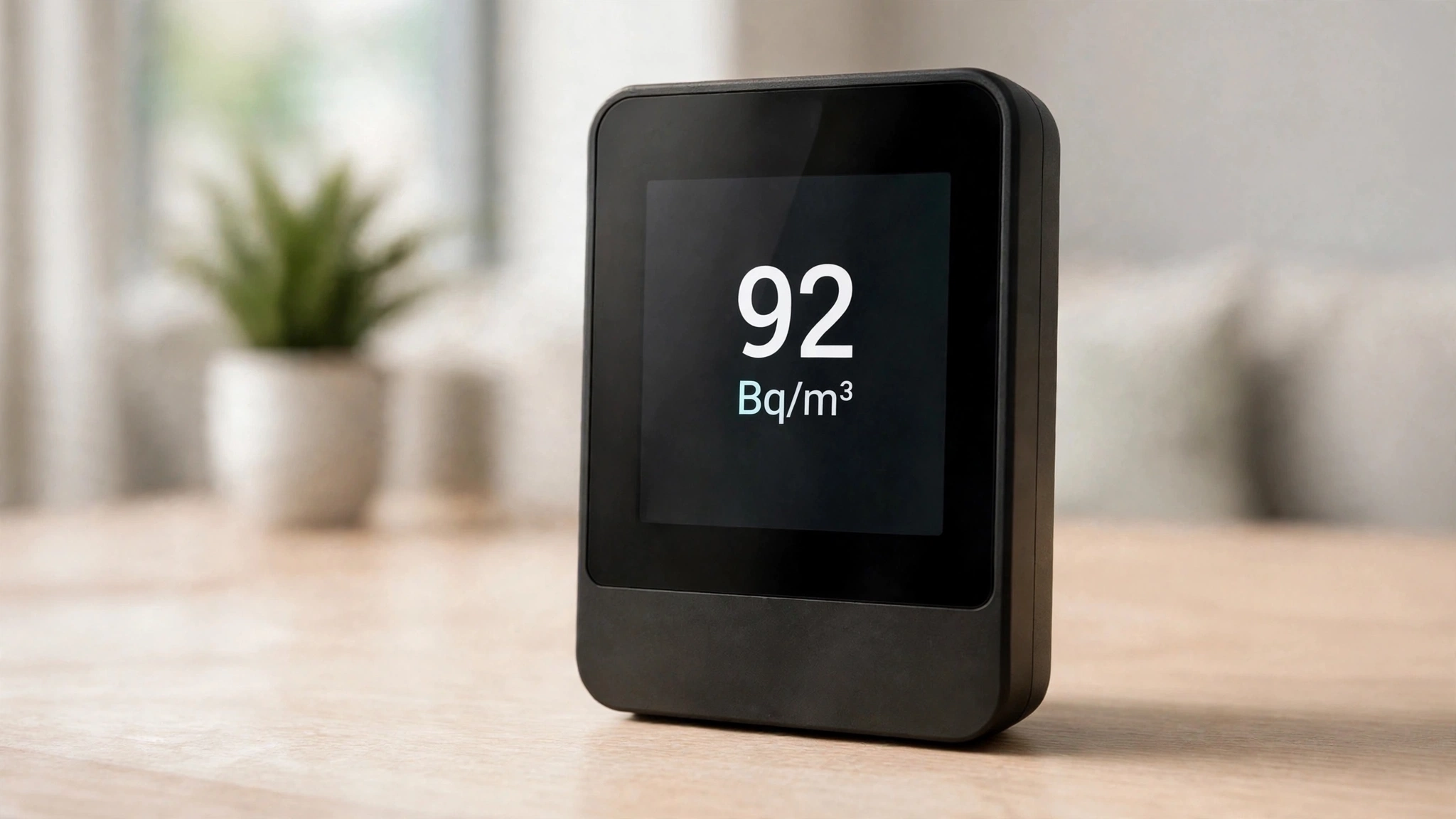
Canada’s radon guideline is 200 Bq/m³. Health Canada recommends taking corrective action when the long-term average radon concentration reaches or exceeds 200 Bq/m³ in a normally occupied area.
< 200 Bq/m³
The level is below the Canadian guideline. However, no level of radon exposure is considered completely risk-free.
≥ 200 Bq/m³
Health Canada recommends reducing the radon level within one year. The higher the concentration, the sooner corrective action should be taken.
Our Radon Services

Naturally occurring
radioactive gas

Invisible, odourless
and tasteless
Can accumulate
inside buildings

Detectable only
through testing
What Is Radon?
Radon is a naturally occurring radioactive gas produced by the breakdown of uranium found in soil and rock. Invisible, odourless and tasteless, it cannot be detected by our senses. Outdoors, radon generally disperses into the air, but inside buildings, it can accumulate and reach high concentrations.
Radon levels can vary significantly from one home to another, even between neighbouring houses. The only way to know the radon concentration in a home is to test for it.
A Real Health Risk
Long-term exposure to radon increases the risk of lung cancer. Radon is the leading cause of lung cancer among non-smokers in Canada. The risk increases with both the radon concentration and the duration of exposure.
How Does Radon Enter a Home?
Radon from the soil can enter a home through openings and pathways in contact with the ground and foundation.
- 1
Cracks in the Foundation
Cracks in foundation walls and concrete slabs. - 2
Joints et ouvertures
Joints de construction et espaces autour des conduites. - 3
Sumps and Floor Drains
Openings connected to the soil. - 4
Areas in Contact with the Soil
Crawl spaces and other surfaces exposed to the ground.
How Does Radon Mitigation Work?
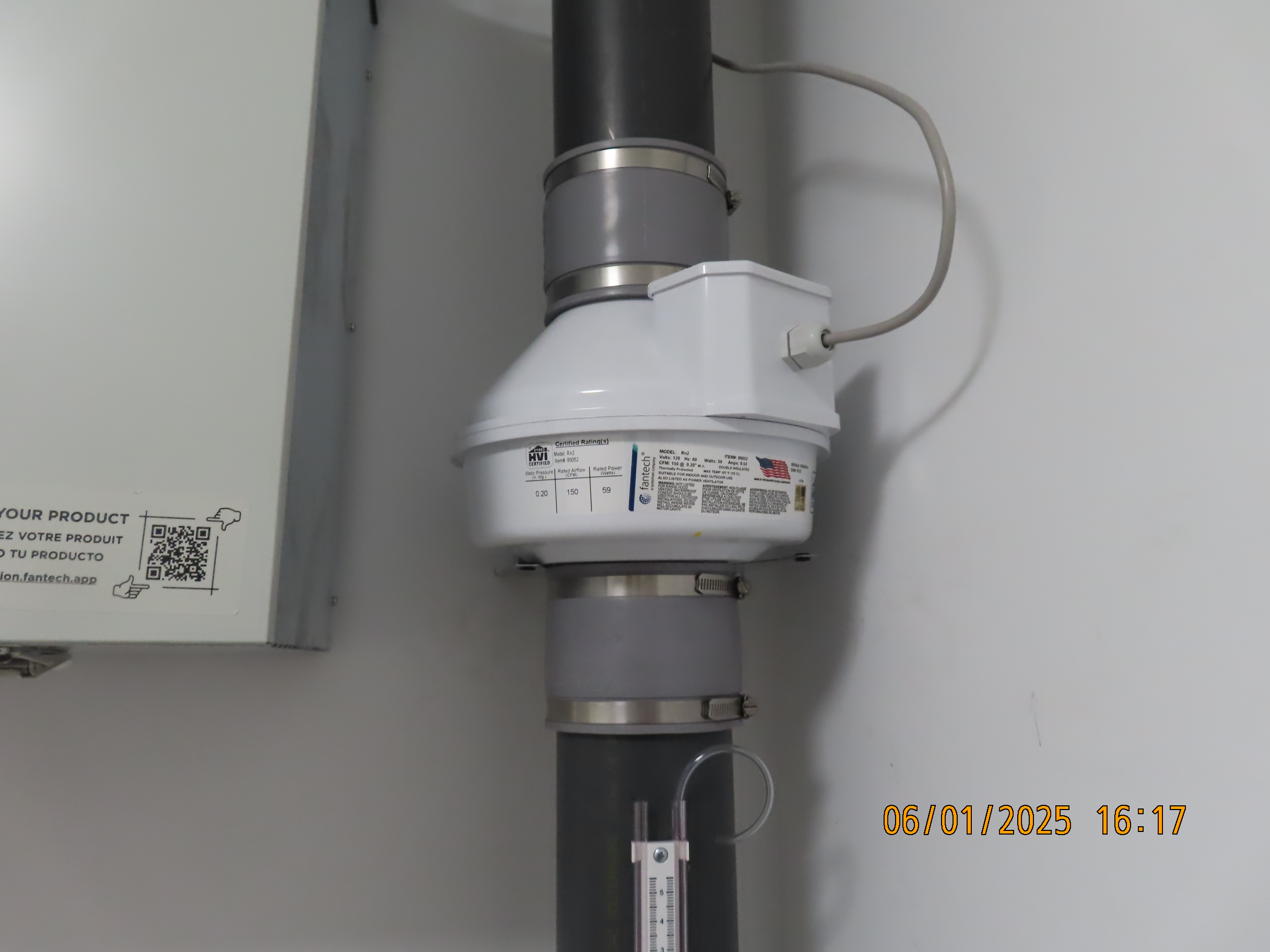
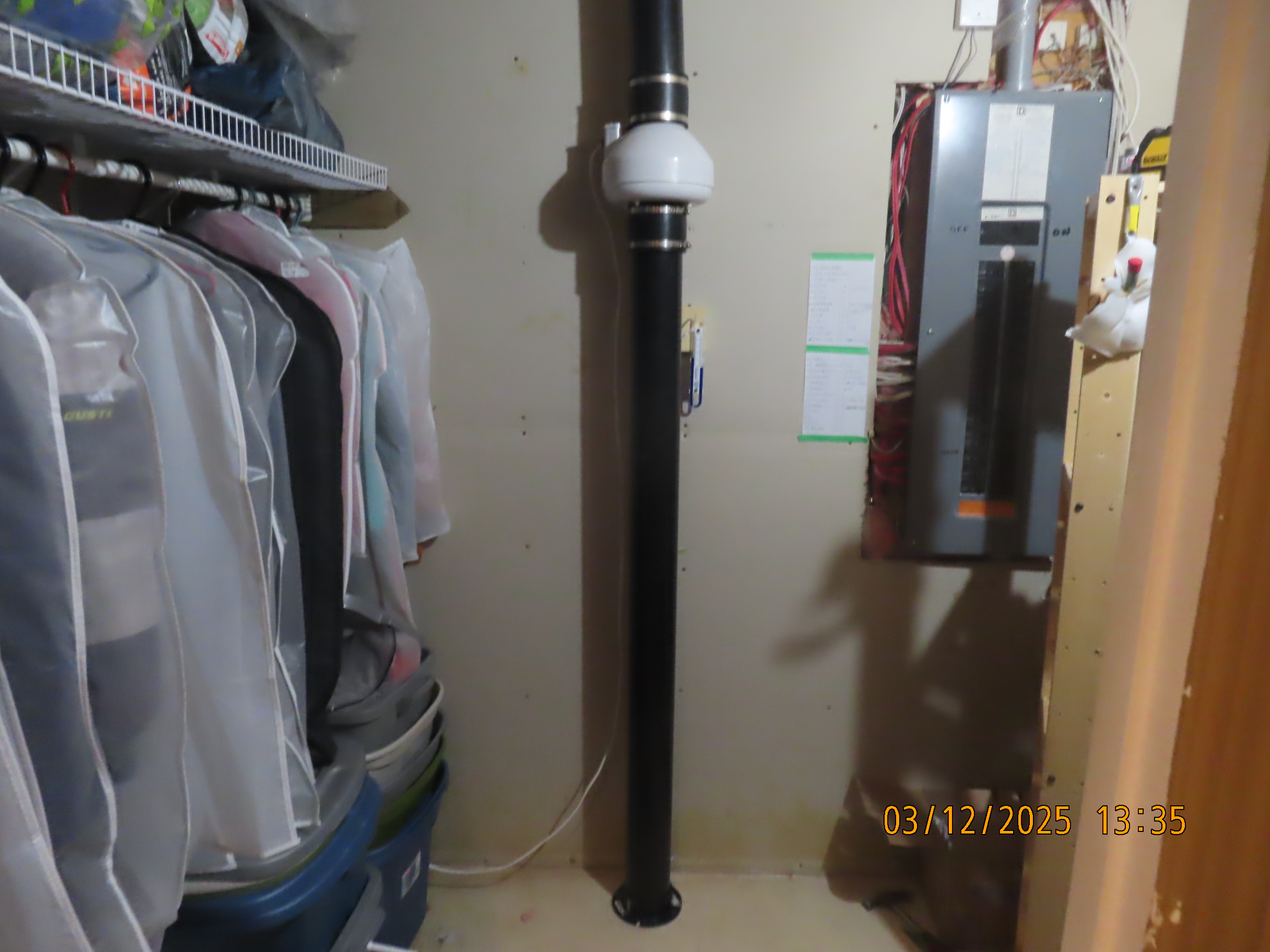
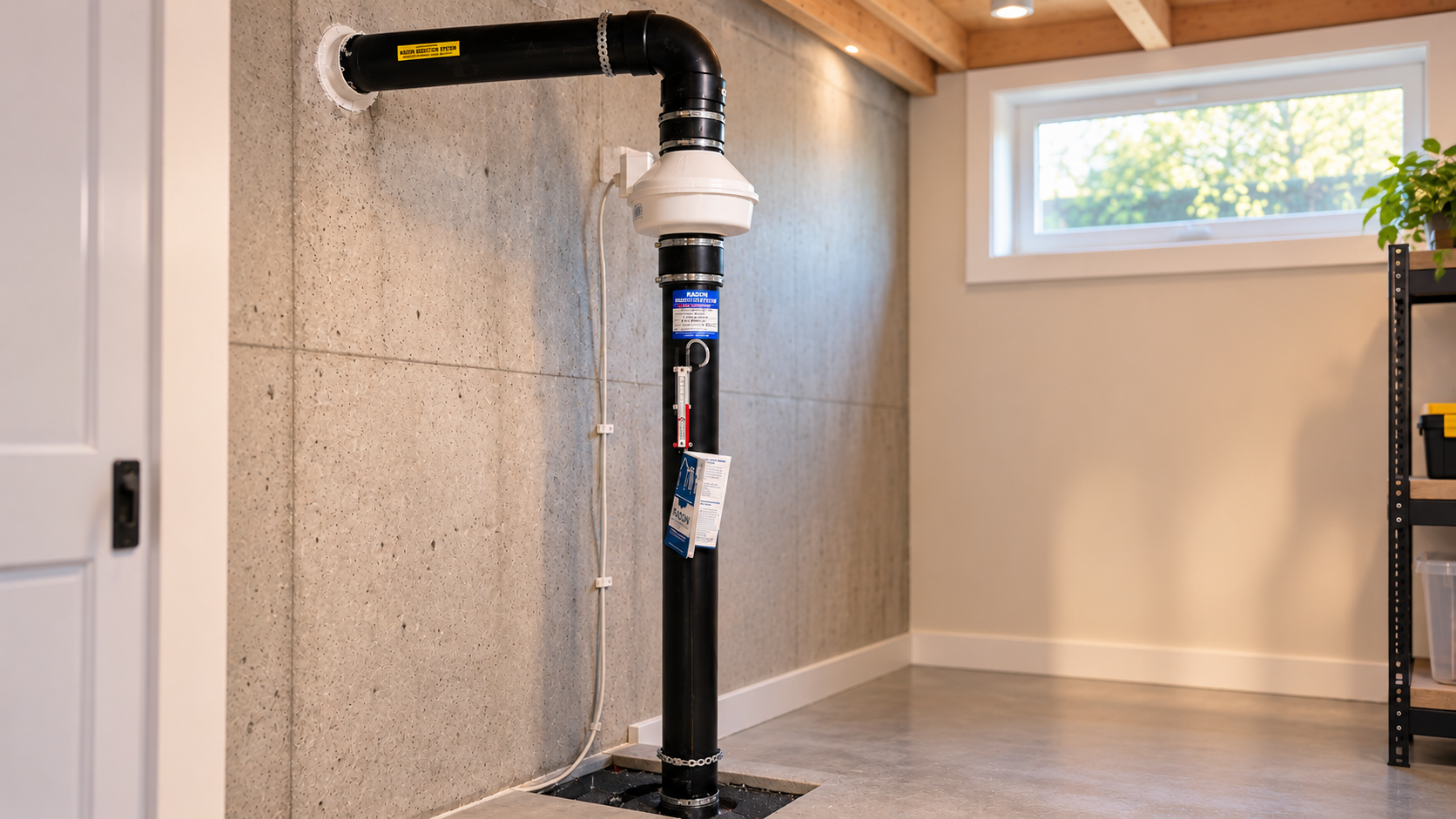
When radon levels are elevated, an active soil depressurization system can be installed to reduce the radon concentration in the home.
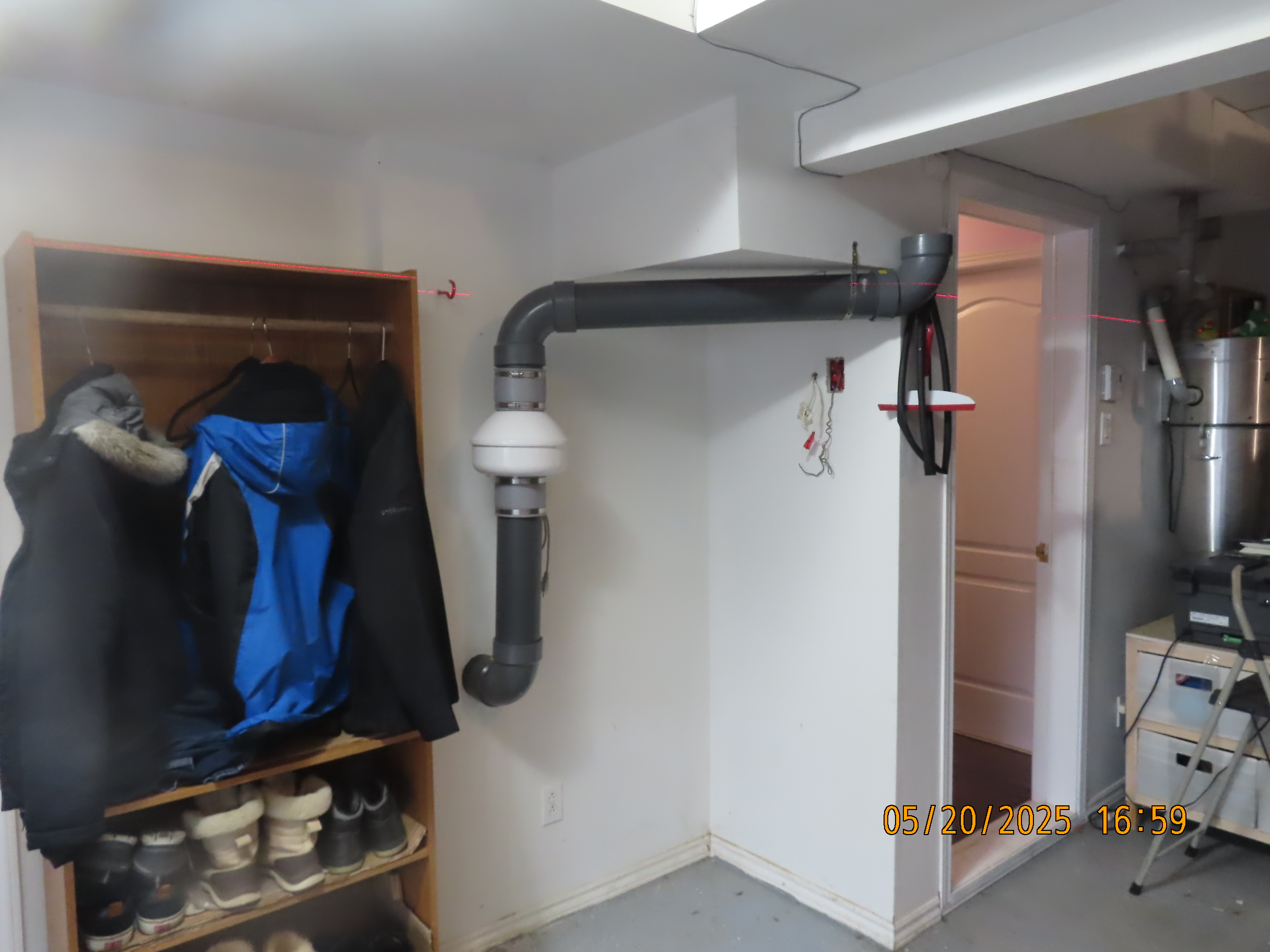
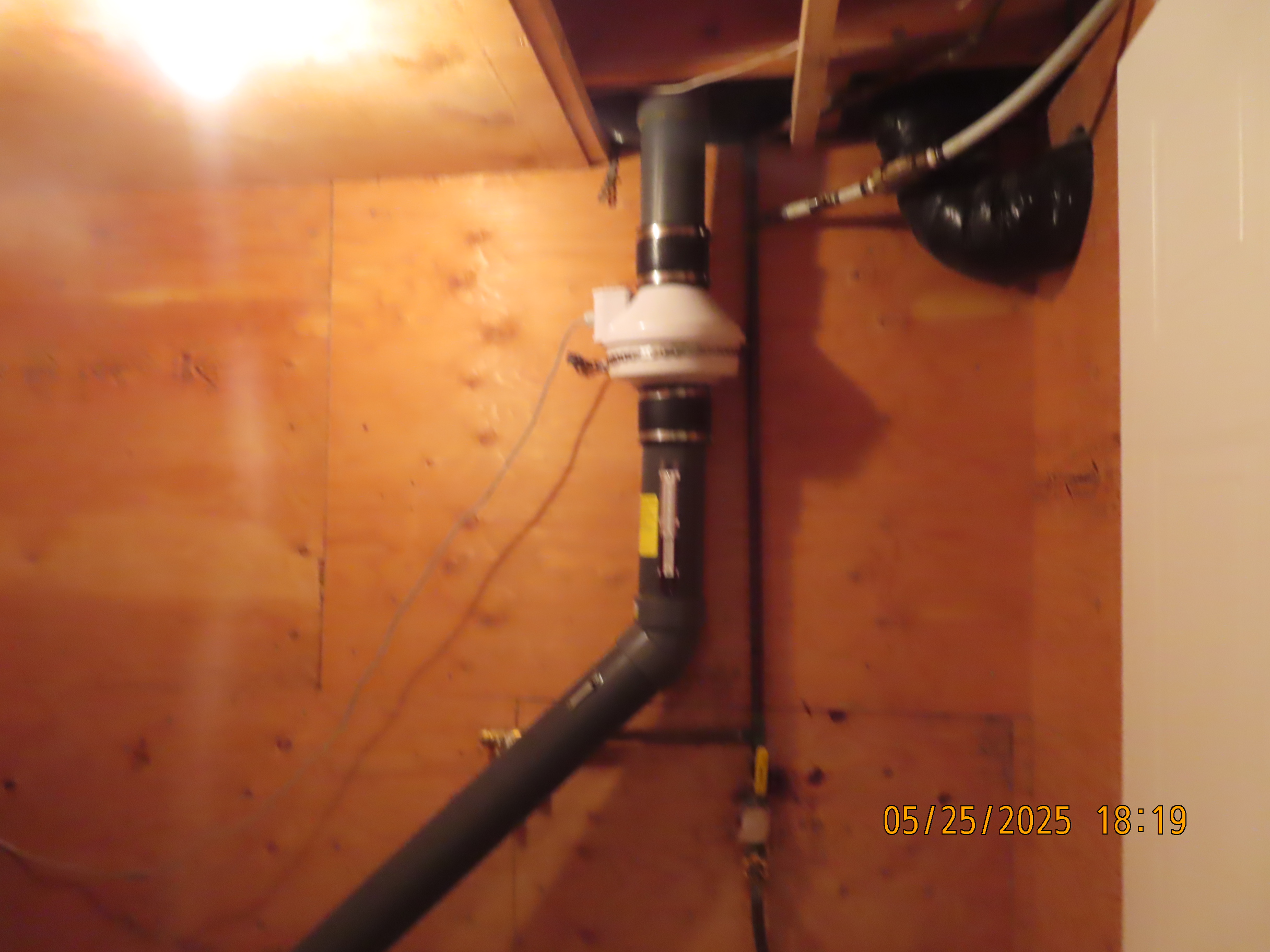
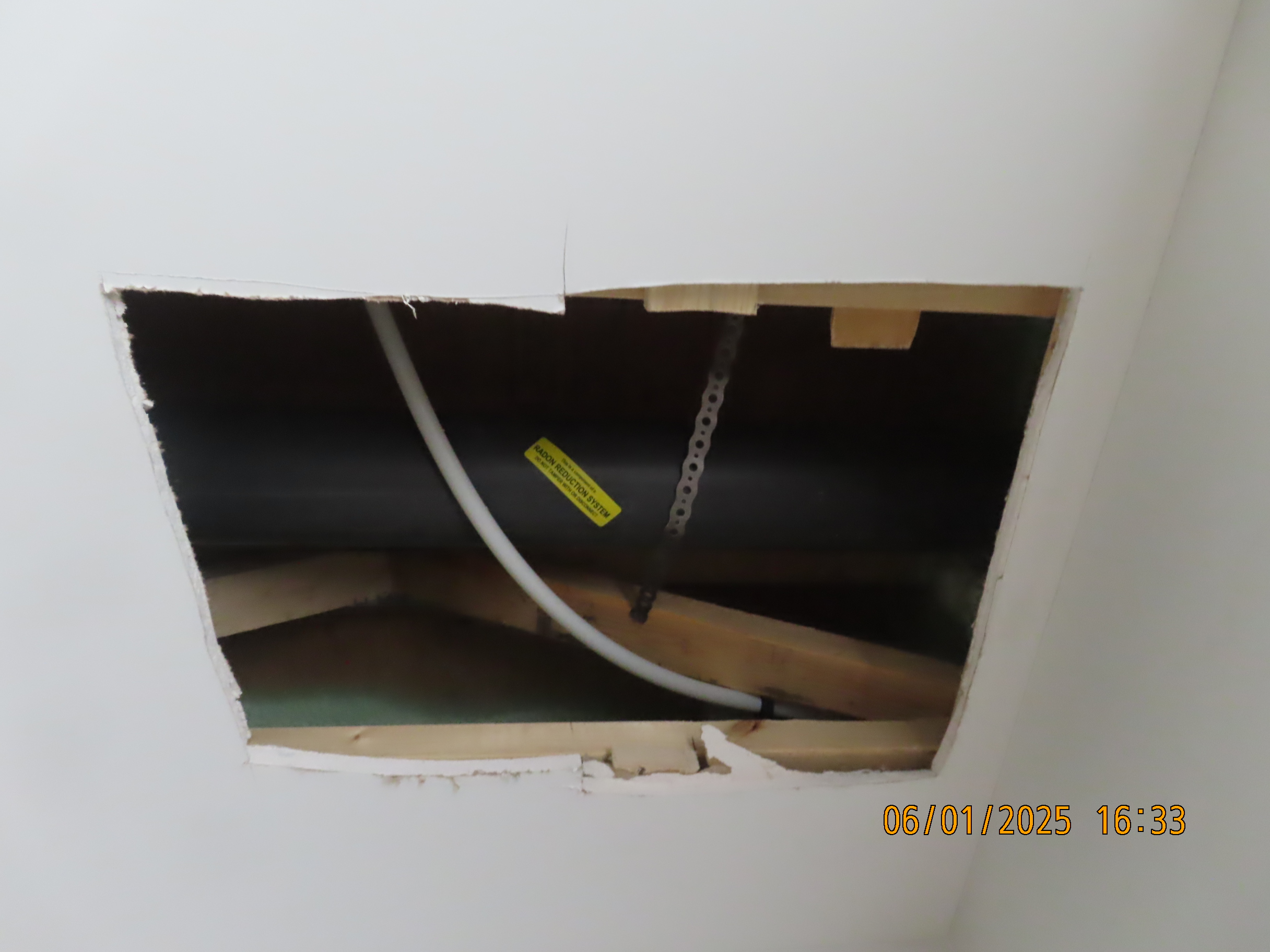
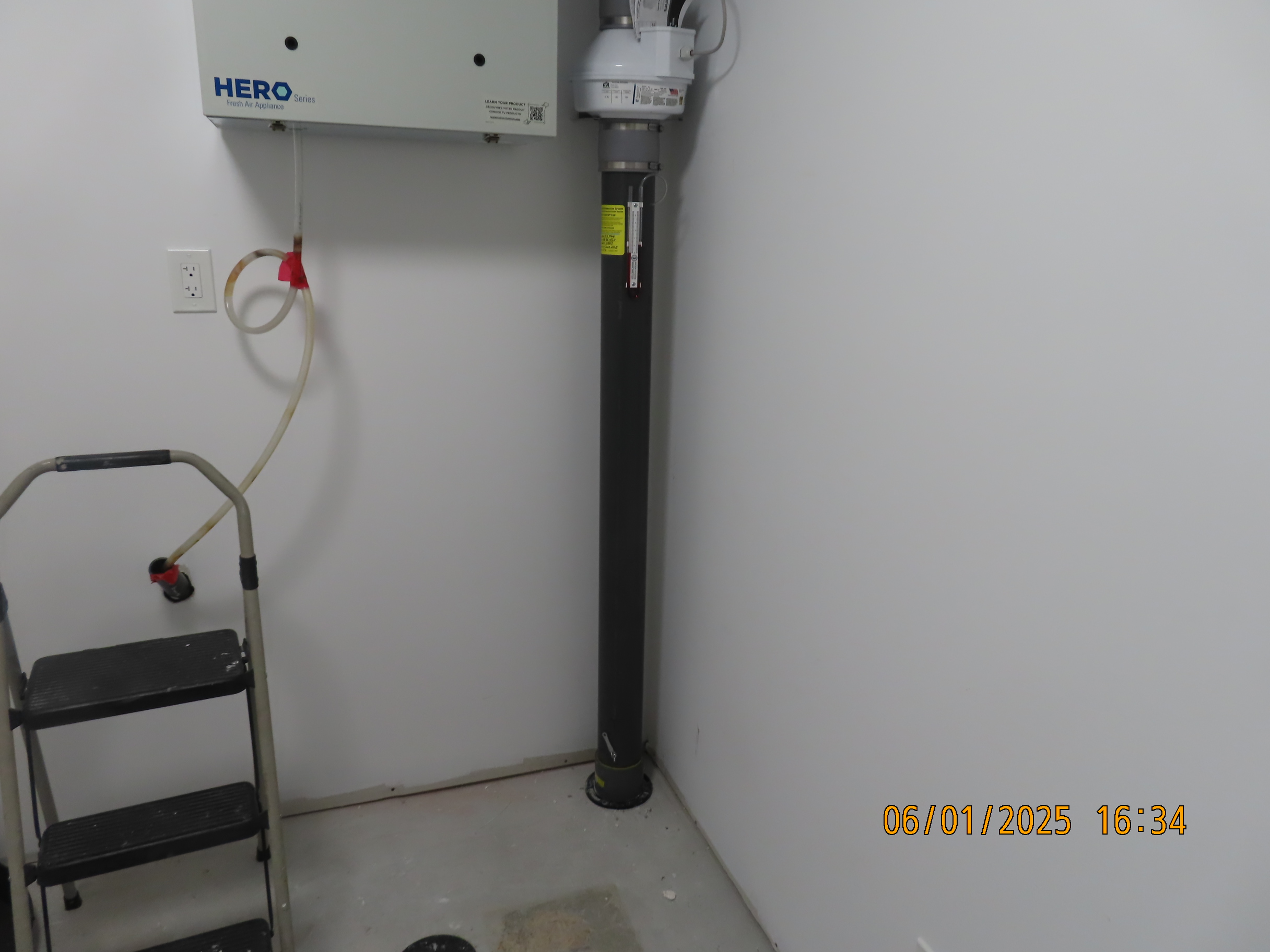
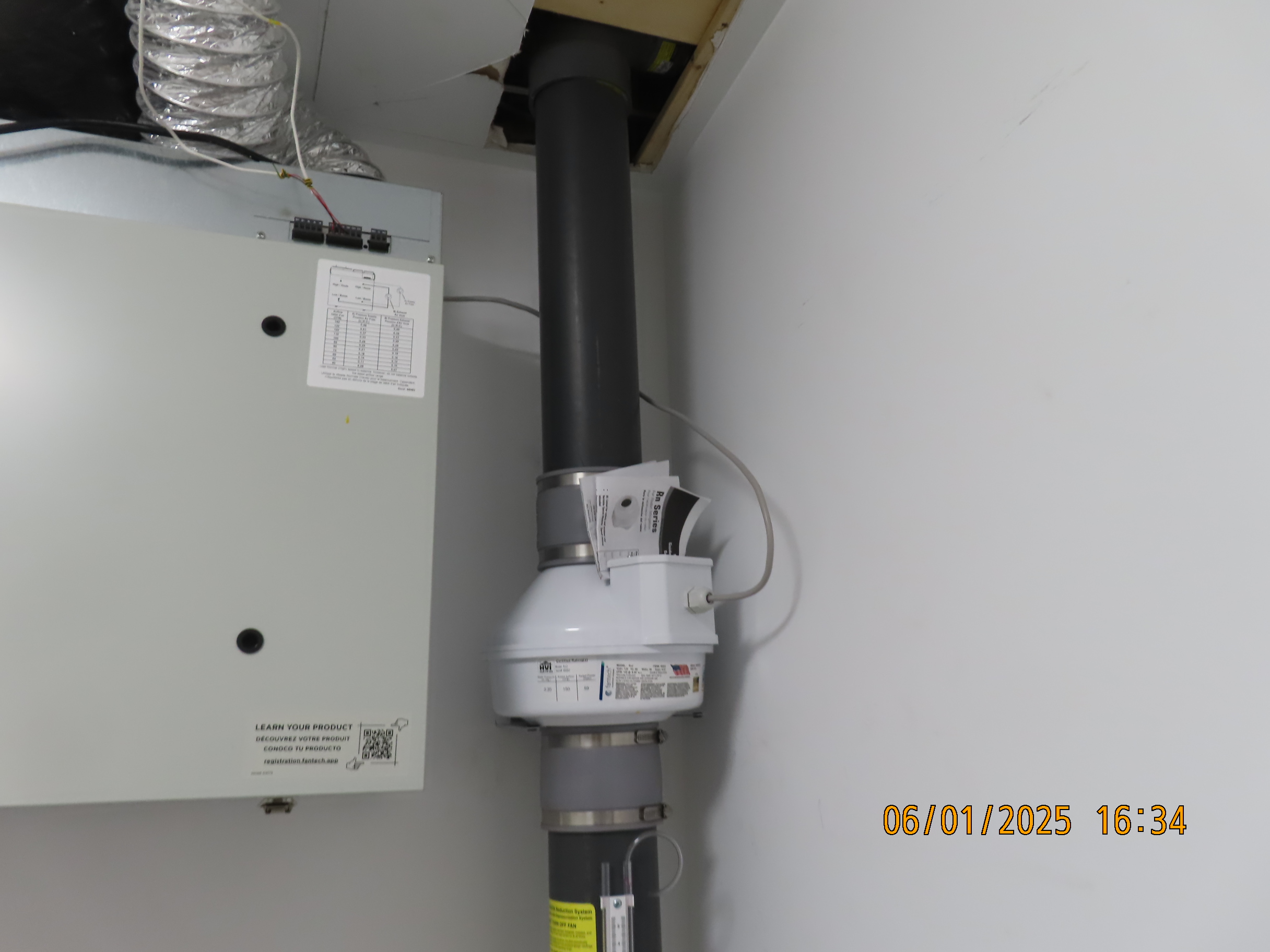
The system creates negative pressure beneath the foundation slab to capture radon-containing soil gases before they enter the home. A piping system connected to a fan then safely vents these gases outdoors.
At Inspection Domiland, each installation is tailored to the characteristics of the property. After installation, follow-up testing is performed to verify the effectiveness of the system and the reduction in radon levels.
MORE THAN
90%
of radon can generally be reduced with an appropriate mitigation system.
Source: Health Canada, 2026

Assessment
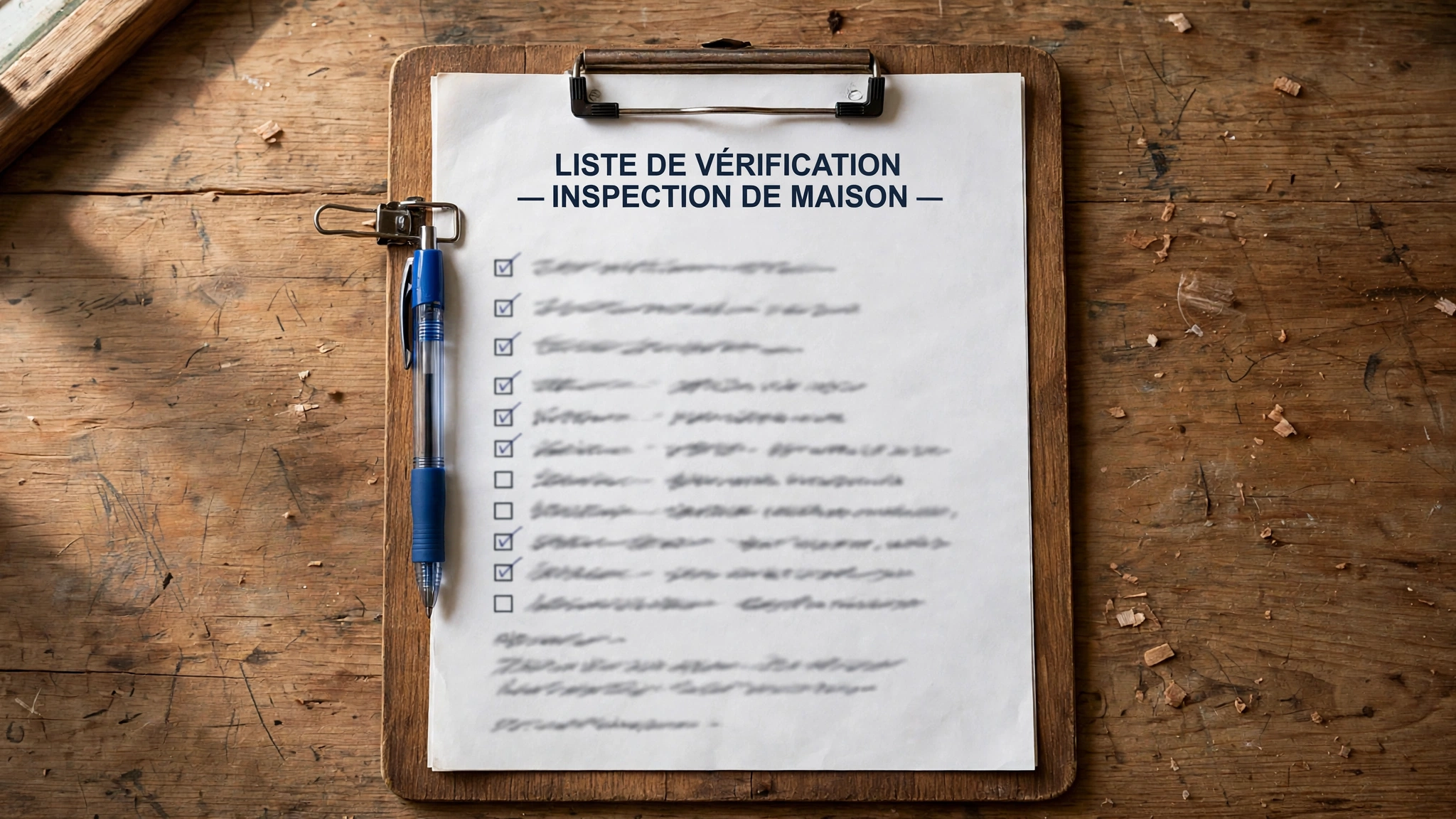
Analysis of the property, radon test results and building characteristics.

System Design
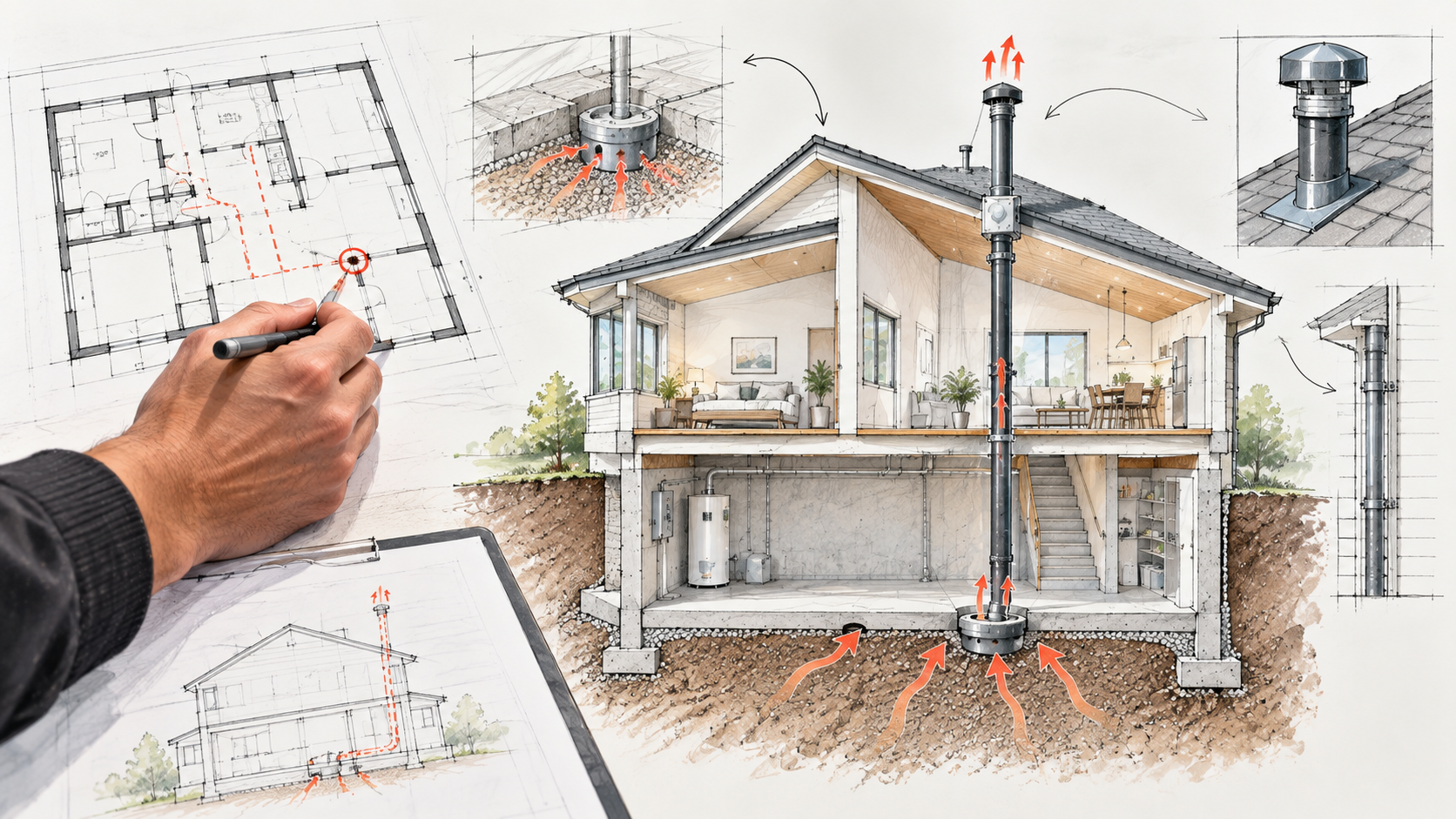
Preliminary system planning based on the characteristics of the property and identification of the areas to be evaluated.

Sub-Slab Communication Test
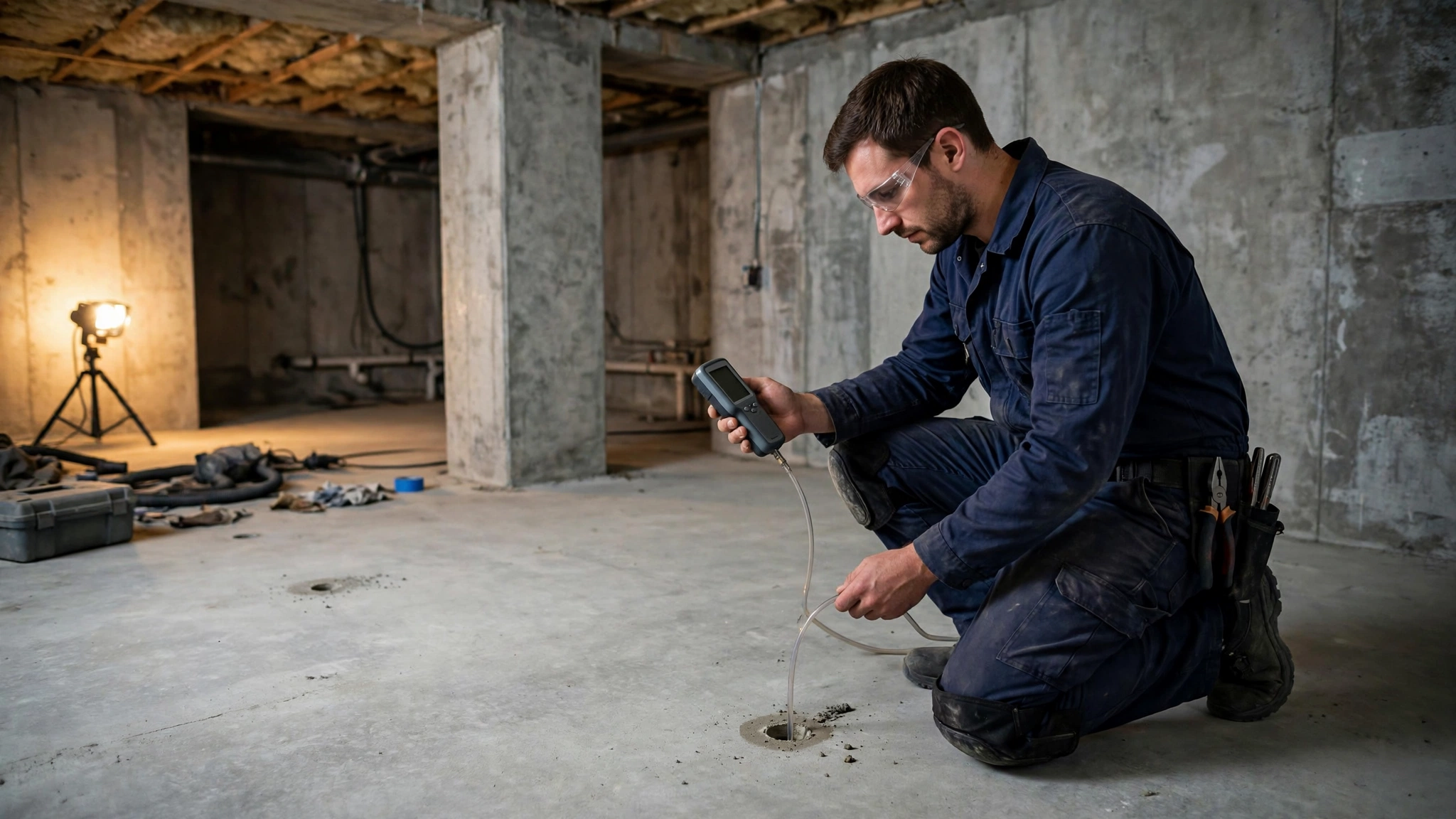
Assessment of airflow beneath the slab to validate the location of the suction point and optimize the system design.

Installation
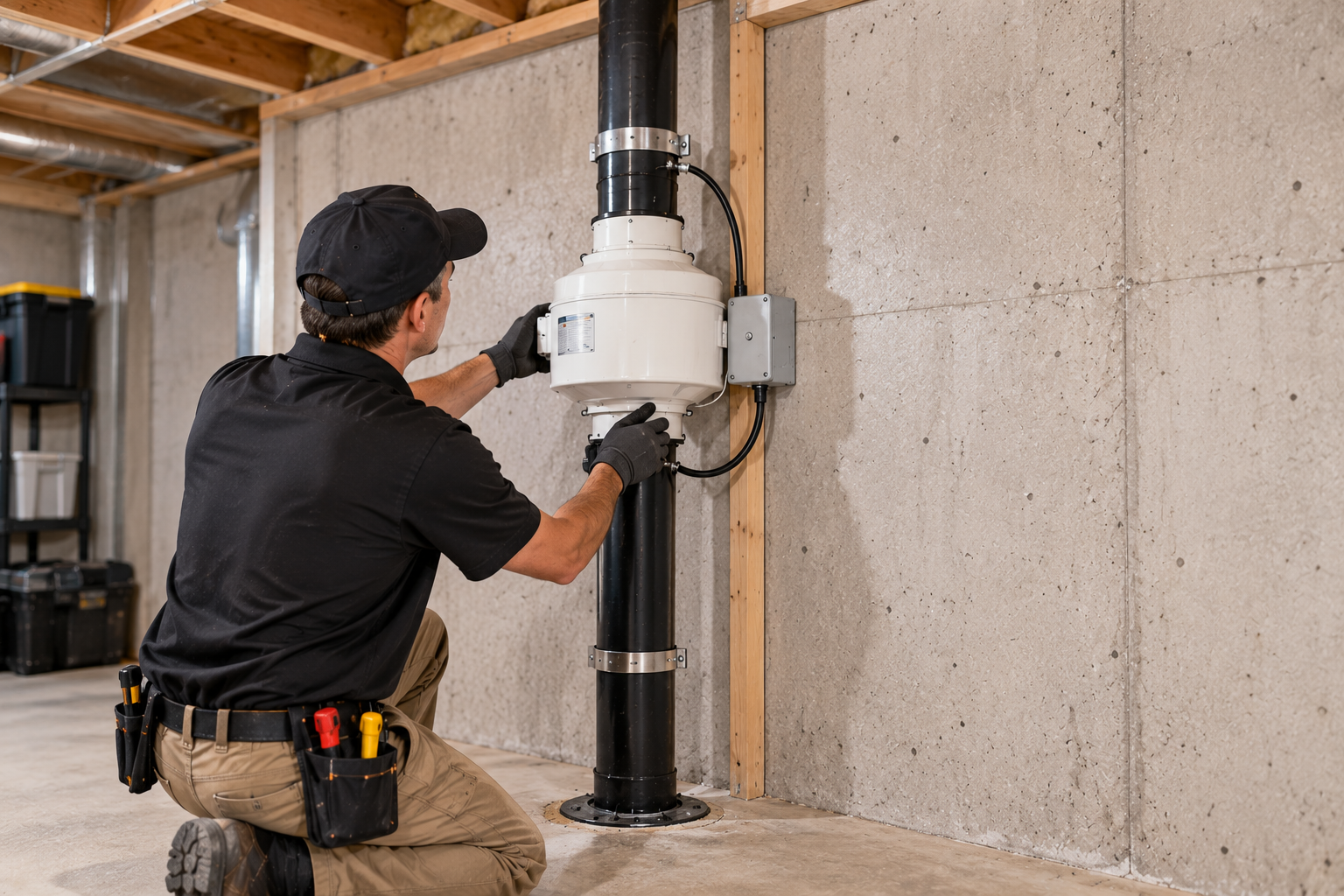
Installation of the depressurization system, piping and fan.

Verification
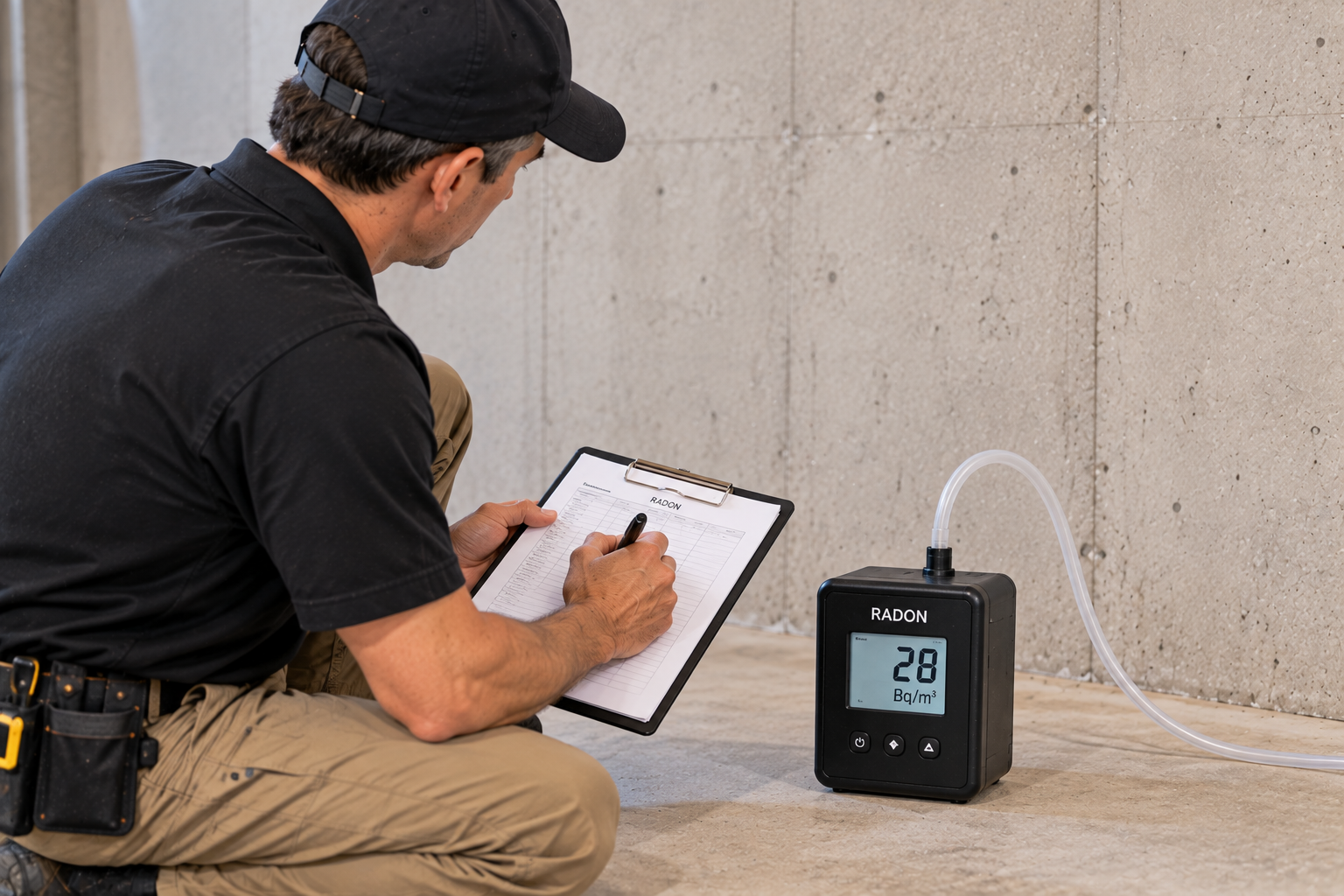
Post-installation testing to confirm the reduction in radon levels.
Our Radon Mitigation Projects
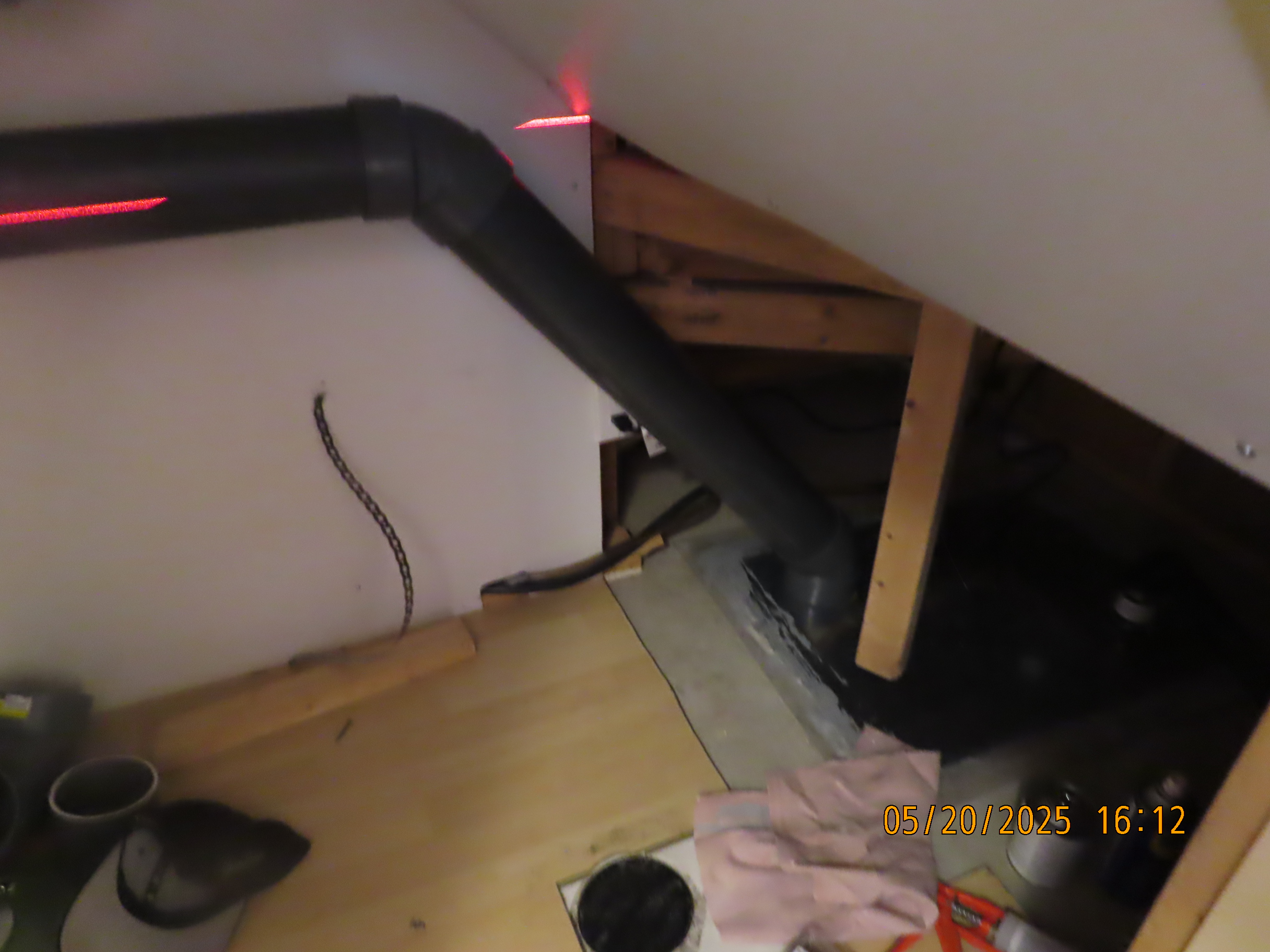
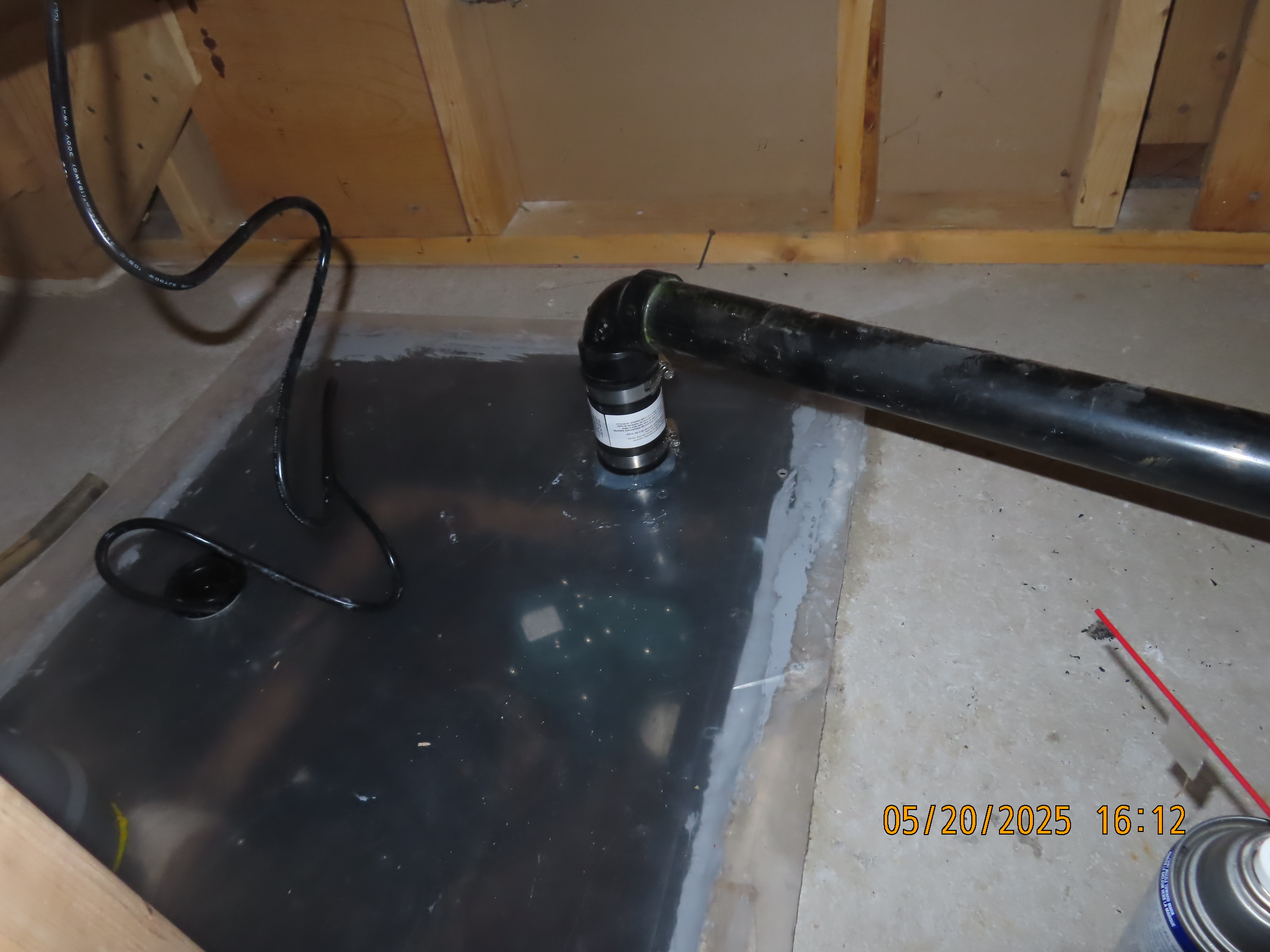
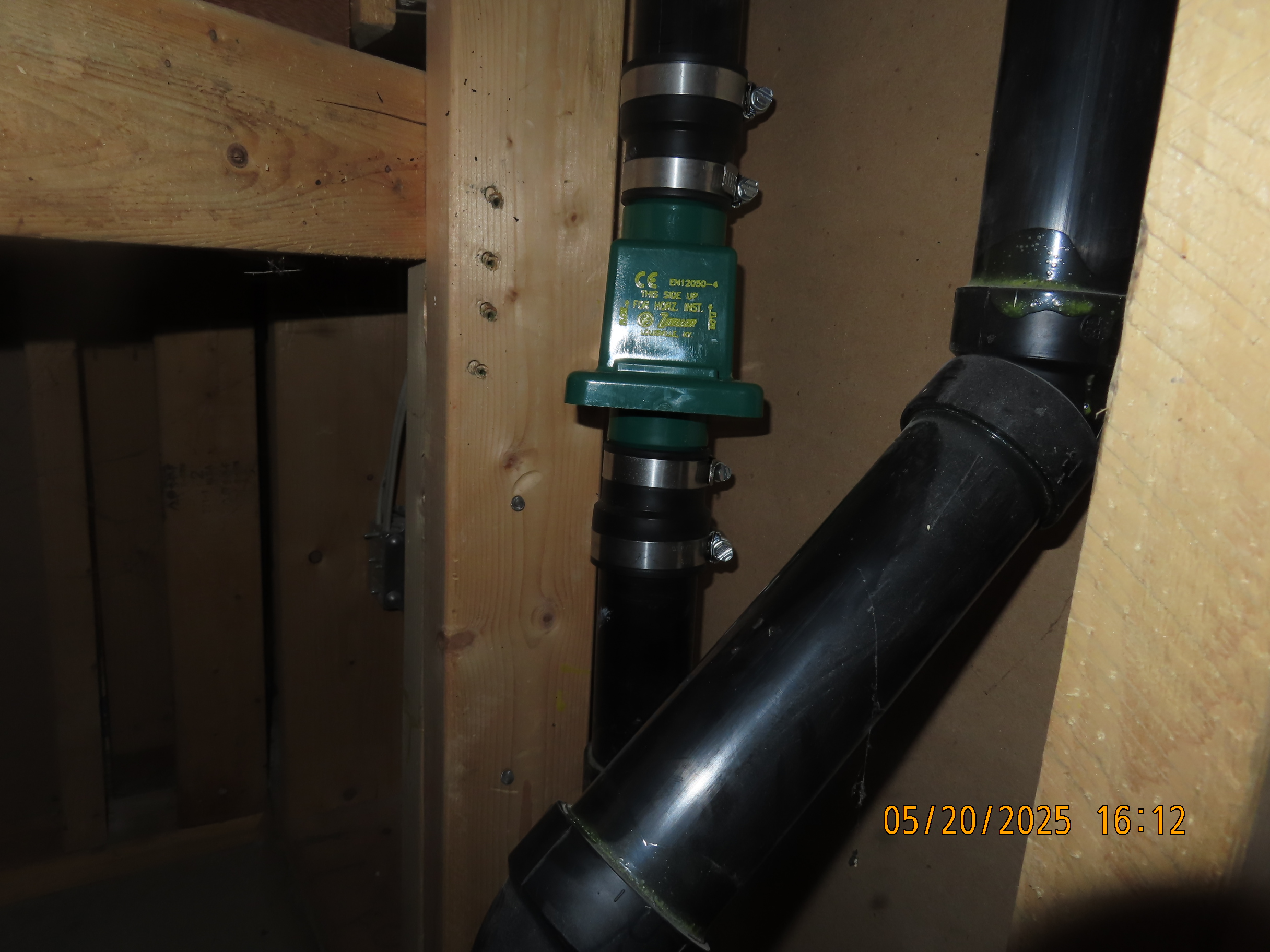
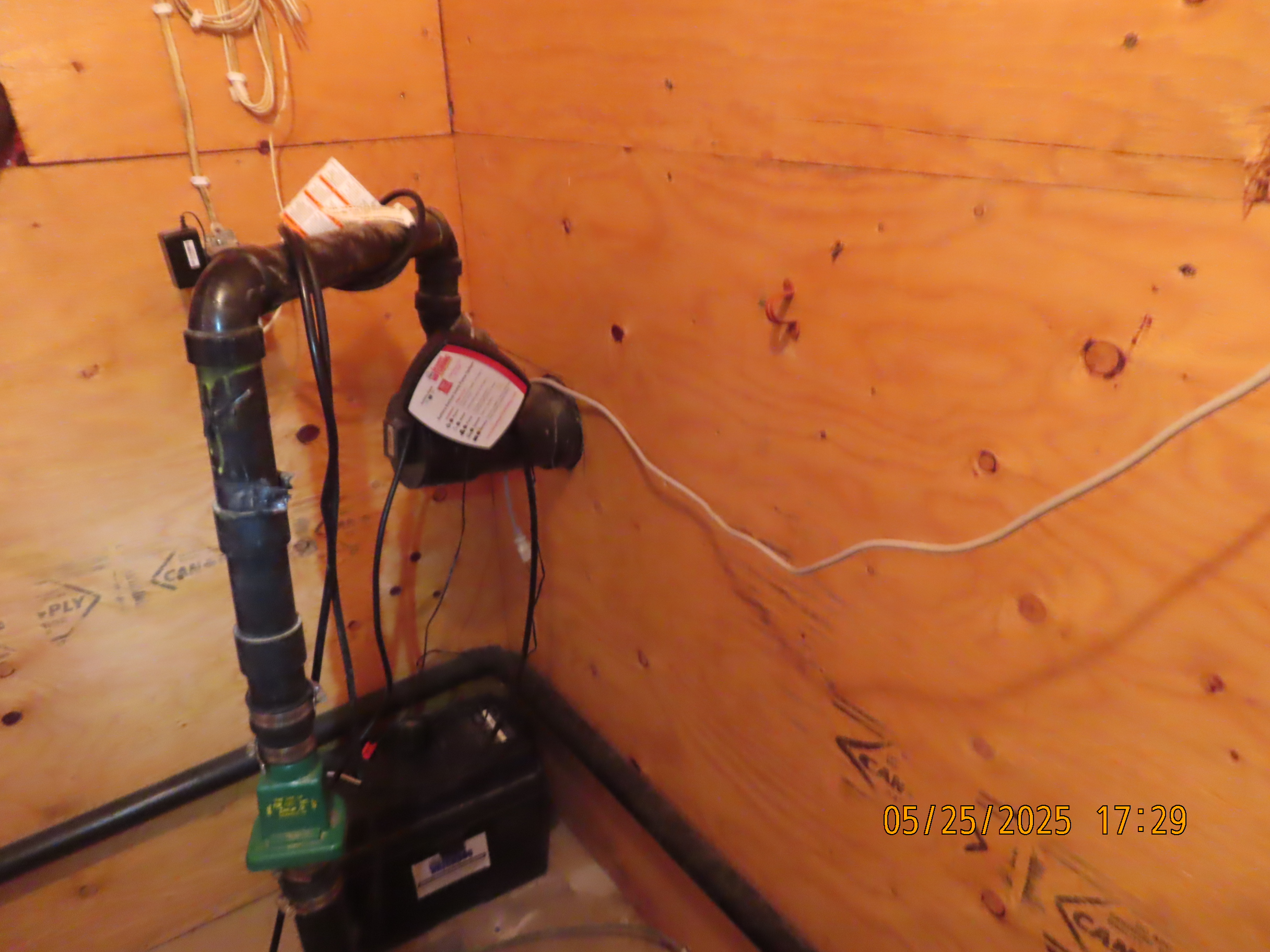
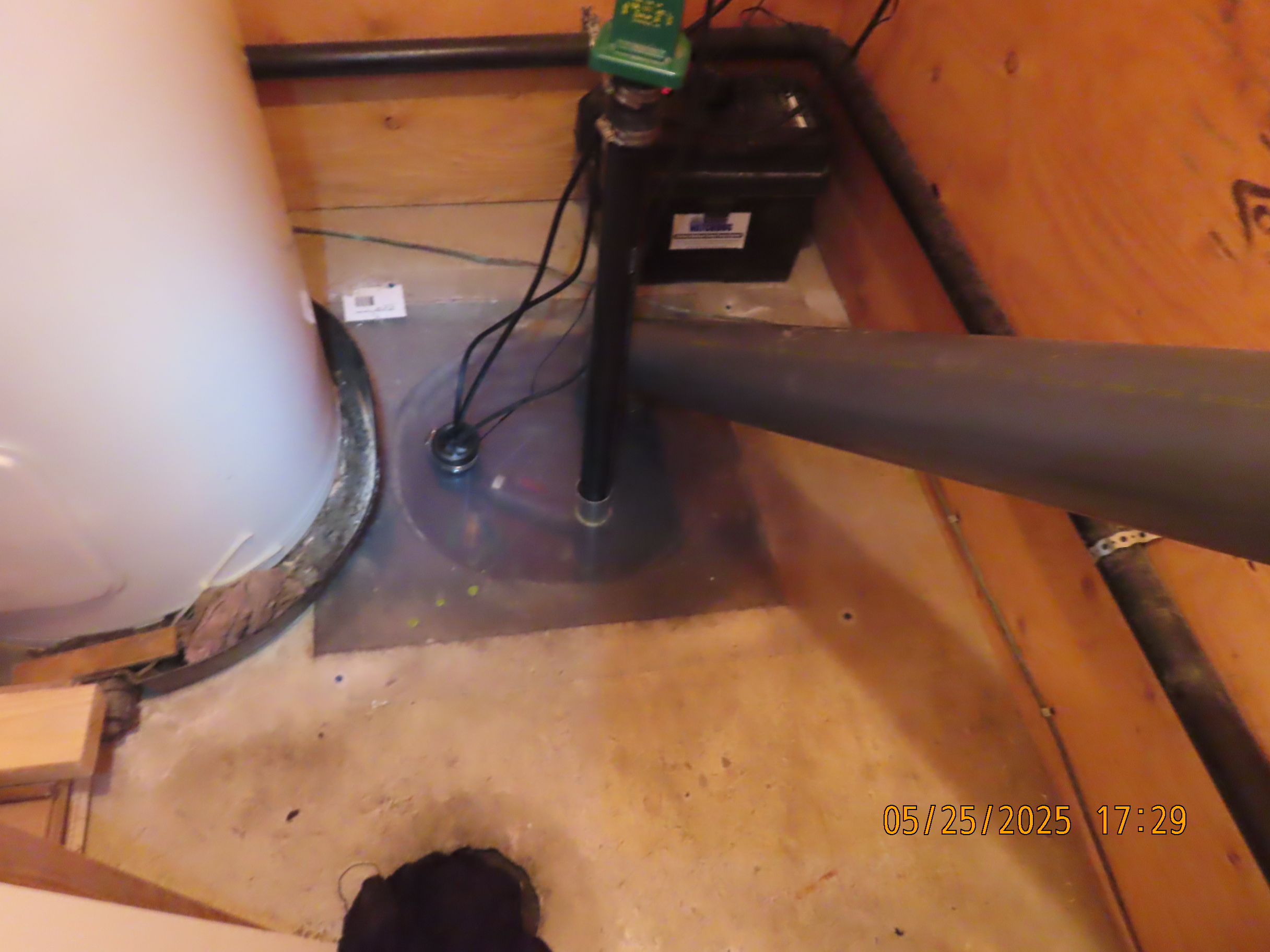
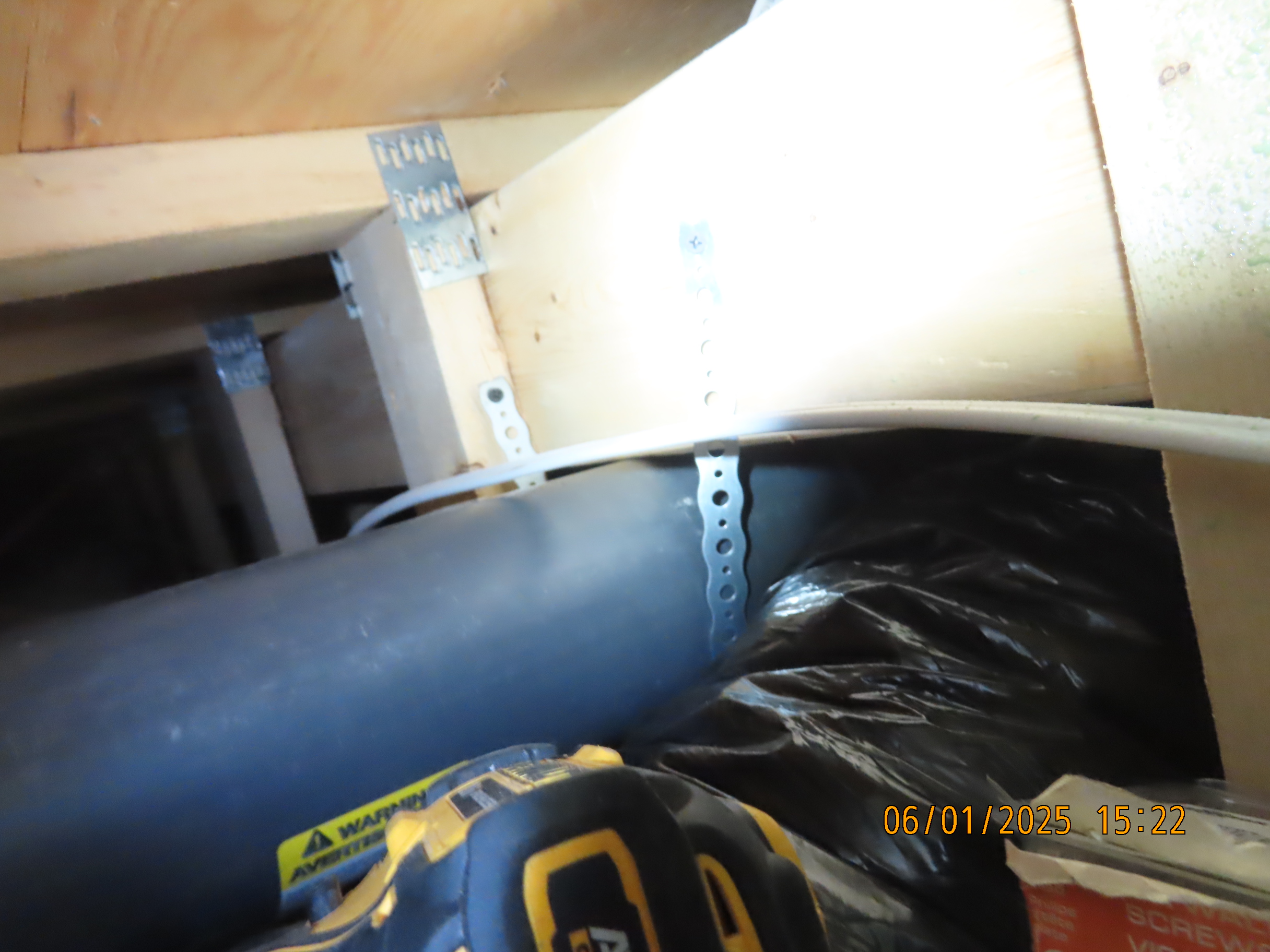
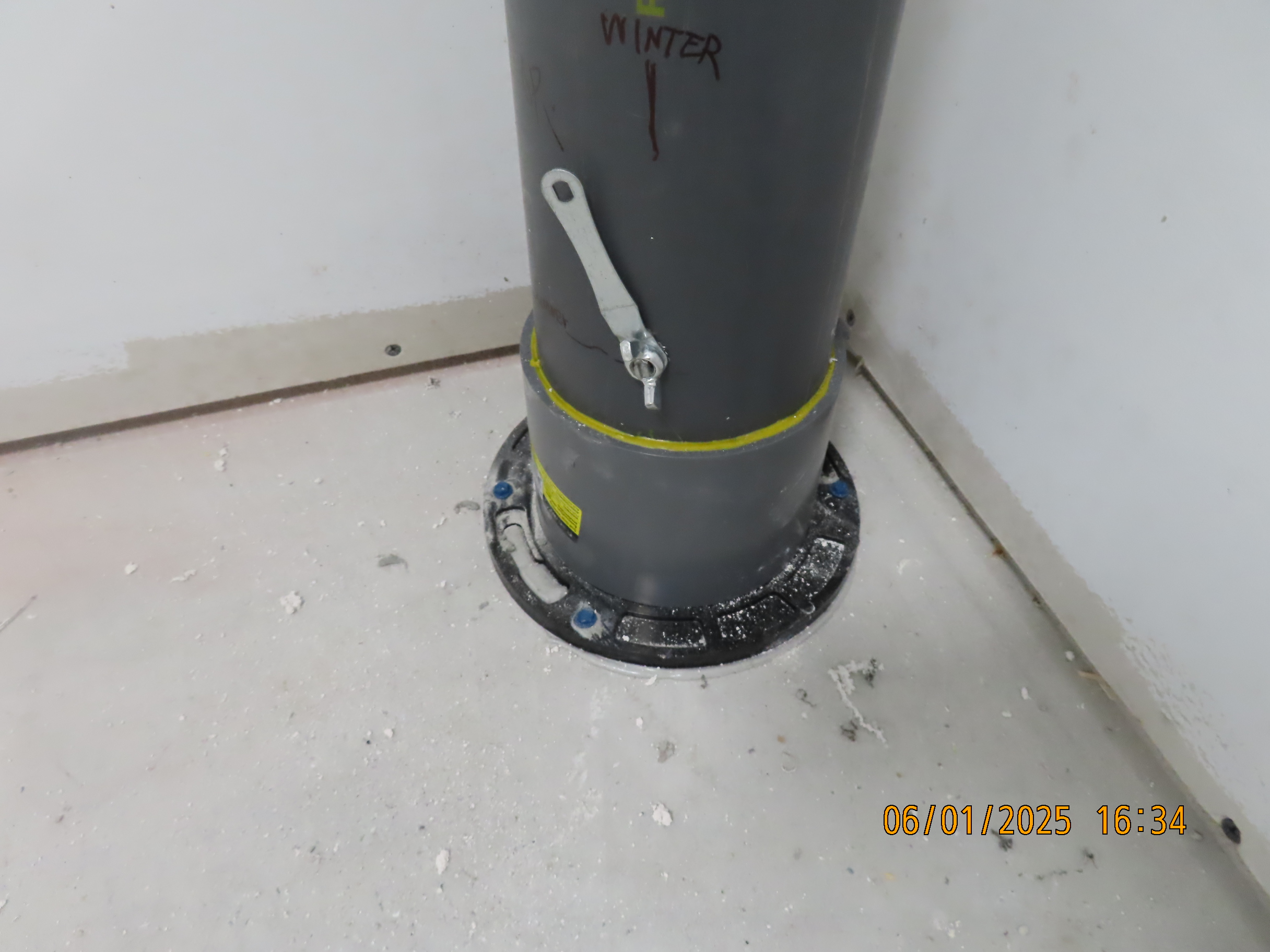
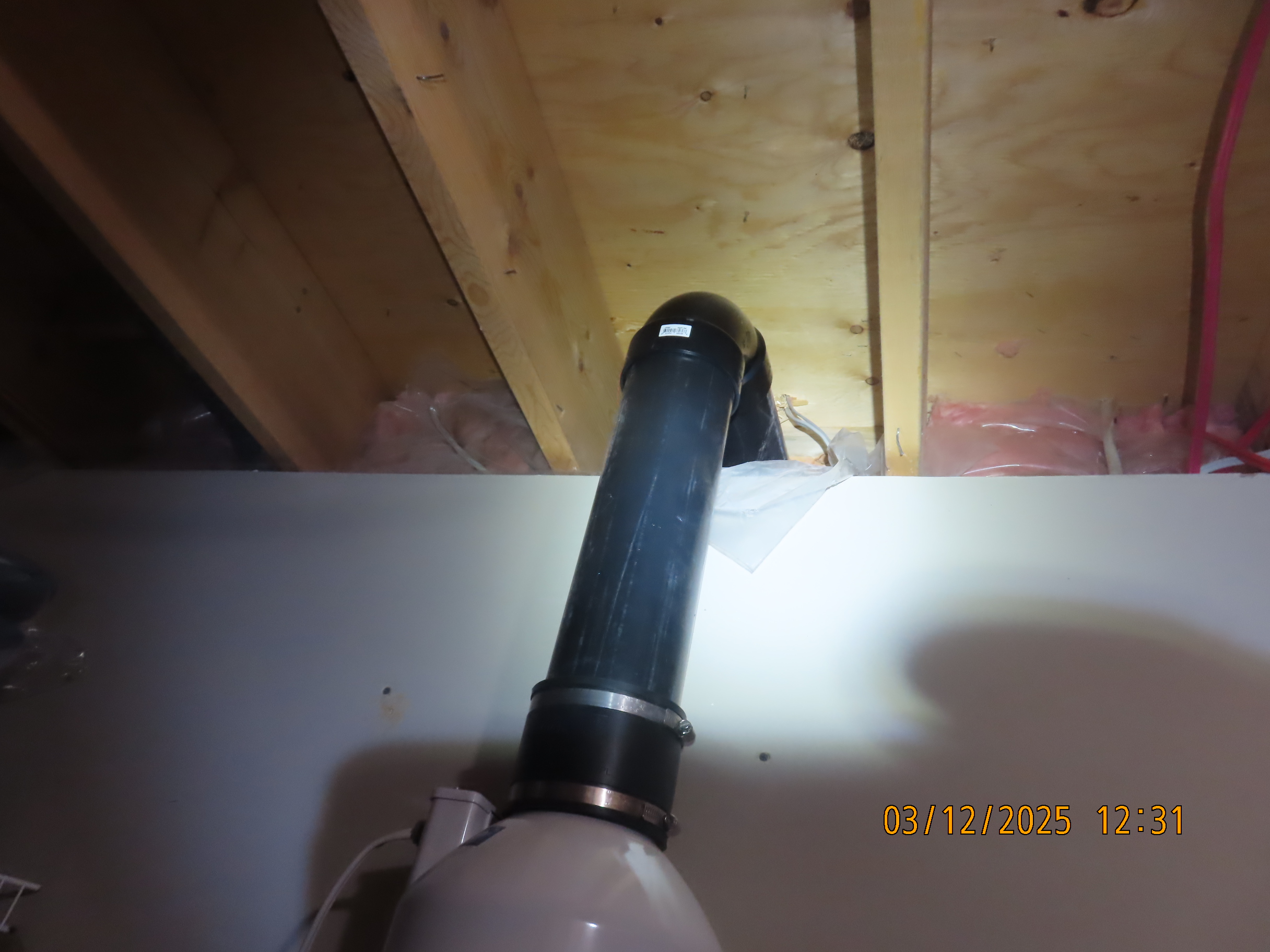
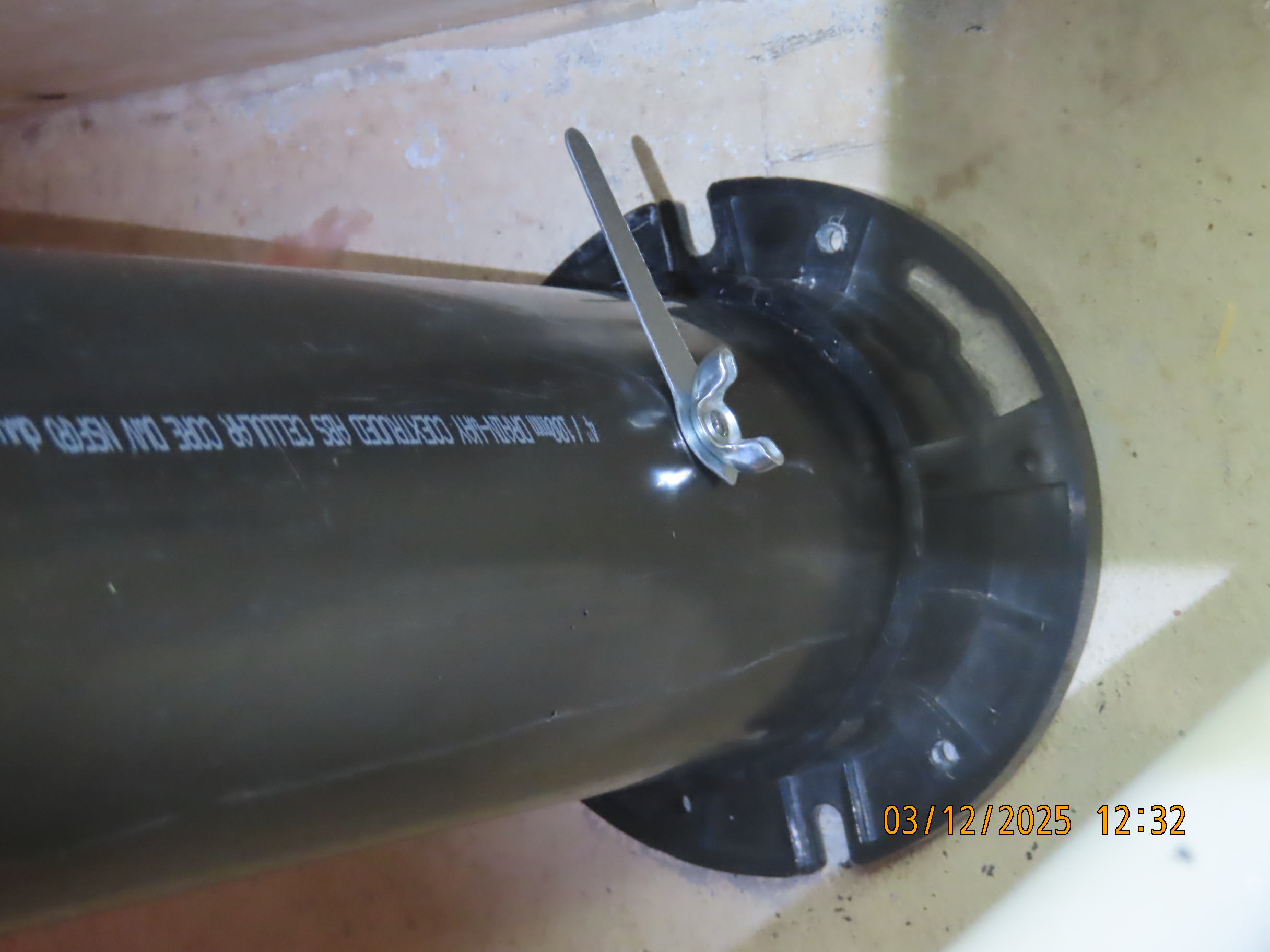
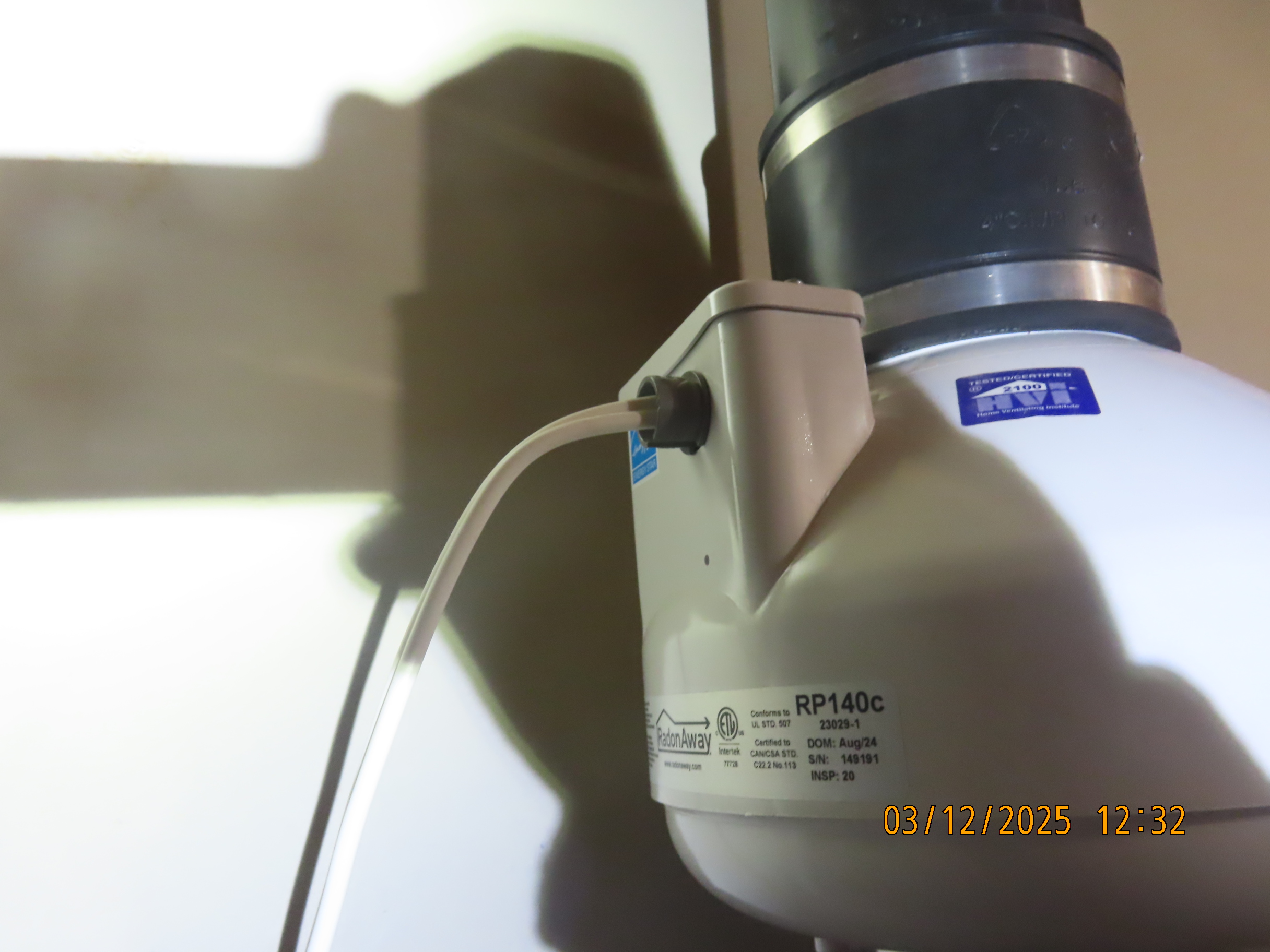
Discover some of our radon mitigation system installations completed throughout Greater Montreal.